
Energy efficiency has become a regulatory requirement that electronics manufacturers must meet. NOM-032-ENER-2013 is the official Mexican standard designed to regulate and limit the electricity consumption of electronic devices in standby mode, commonly known as “vampire power.” This silent energy consumption occurs when appliances remain plugged in without performing their primary function, which can lead to significant wasted energy and increased electricity costs.
The implementation of NOM-032-ENER-2013 is a strategic effort to align Mexico with international energy-saving standards. By establishing maximum power limits for everyday appliances, such as televisions, computers, and microwave ovens, this standard achieves two main objectives: reducing the national carbon footprint and protecting consumers’ finances. The regulation and monitoring of this standard are strictly managed by the National Commission for the Efficient Use of Energy (CONUEE) and the Federal Consumer Protection Agency (PROFECO), which guarantees that all products in the Mexican market comply with rigorous efficiency protocols.
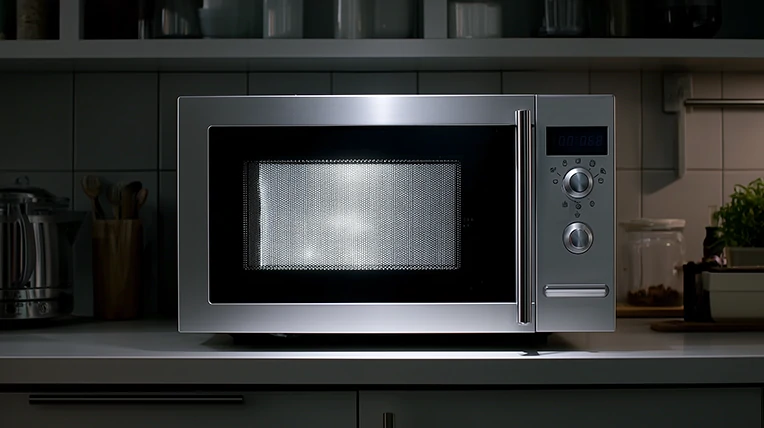
Table of Contents
Statutory Scope and Jurisdictional Reach of NOM-032-ENER-2013
Determining the precise legal and technical boundaries of this standard is fundamental for regulatory compliance across the manufacturing and importing sectors of the electronics industry.
- Electronic and Electrical Equipment: The standard applies to a vast array of equipment that consumes electricity while in a quiescent or standby state.
- Digital Processing and Imaging: This includes computers, printers, scanners, photocopiers, and multifunctional devices designed for office or domestic use.
- Entertainment and Multimedia: Televisions (including LED, LCD, and Plasma), audio systems, and video playback devices are strictly regulated.
- Microwave Ovens: Domestic appliances that utilize electromagnetic energy for heating and remain in a standby state for clock or timer functions.
- Set-Top Boxes: Decoders and equipment used for the reception of digital television signals are also included within this framework.
Technical Exemptions and Exclusions
Certain devices are intentionally omitted from this standard due to their specialized operational requirements or because they fall under the jurisdiction of other specific energy norms.
- Continuous Operation Devices: Equipment that must remain fully active 24/7 for security or safety reasons is generally not subject to these standby limits.
- Industrial and Medical Machinery: High-precision medical equipment and industrial-grade controllers are excluded due to the critical nature of their power supply requirements.
- Battery-Only Devices: Small electronics that operate exclusively on primary batteries without a direct connection to the AC grid are not governed by thE NOM-032-ENER-2013.
- Specialized Networking Hardware: High-level telecommunications infrastructure, such as core enterprise switches and servers, follows different efficiency protocols.
Maximum Power Consumption Benchmarks in Standby Mode
The technical core of the NOM-032-ENER-2013 is the definition of strict power limits, measured in watts, that an appliance must not exceed when idle.
- Strict Wattage Limits: Depending on the category of the device, the maximum allowable standby consumption typically ranges from 1.0 W to 2.0 W.
- Technological Tiering: Limits are adjusted based on the complexity of the standby function (e.g., whether the device is merely waiting for a remote signal or maintaining a network connection).
- Energy Efficiency Optimization: These benchmarks force designers to utilize advanced power management circuits and high-efficiency transformers.
- Cumulative Impact: By capping consumption at these levels, the standard prevents the waste of thousands of gigawatt-hours at a national level.
Standardized Metrology and Test Methodologies
To ensure the integrity of efficiency data, the NOM-032-ENER-2013 mandates precise measurement protocols that must be executed in a controlled, scientific environment.
- Measurement of Low Power: Laboratories must use high-precision power meters capable of measuring milliwatt-level consumption with a high degree of accuracy.
- Stabilization Periods: The equipment under test must reach a stable thermal and electrical state before measurements are recorded to ensure data repeatability.
- Controlled Electrical Input: Testing is performed at a nominal voltage of 127 V AC and a frequency of 60 Hz, reflecting the standard Mexican grid parameters.
- Ambient Control: Tests are conducted at a controlled temperature of 25º C ± 5º C to eliminate thermal variables in electronic component performance.
Mandatory Labeling Of NOM-032-ENER-2013
Transparency is a legal requirement; this section details the specific information that must be communicated to the consumer to ensure informed purchasing decisions.
- Legible Consumption Data: The label must clearly indicate the power consumption in standby mode, expressed in watts (W), allowing for direct comparison.
- Bilingual Requirements: While technical data is universal, all instructional and descriptive text on the label must be in Spanish.
- Visibility at Point of Sale: Labels must be prominently displayed on the packaging or the product itself, ensuring they are not obscured during retail exhibition.
- Manufacturer Traceability: The identity of the responsible party (manufacturer or importer) and the country of origin must be explicitly stated.
- Certification Validity: The presence of the NOM mark confirms that the device has passed the necessary scrutiny by accredited verification units.
Certification and Administrative Compliance Mechanisms
The path to legal commercialization in Mexico requires a multi-step certification process designed to filter out inefficient or non-compliant hardware.
- Certificate of Conformity: Every product model must obtain this legal document from an accredited Certification Body (OC) based on successful lab reports.
- Accredited Testing: Only laboratories recognized by the Entidad Mexicana de Acreditación (EMA) are authorized to generate valid test results for this standard.
- Market Surveillance Operations: PROFECO conducts periodic audits and “mystery shopper” samplings to verify that the energy draw in-store matches the certified data.
- Customs Enforcement: For imported electronics, the Certificate of Conformity is an essential document for customs clearance; non-compliance leads to immediate seizure of the shipment.
- Legal Sanctions: Violations of NOM-032-ENER-2013 can result in substantial administrative fines and the permanent revocation of the right to sell the product in Mexico.
Purpose and Enforcement
The overarching objective of NOM-032-ENER-2013 is to establish a mandatory technical baseline that prevents the unnecessary waste of electrical energy at a national scale. By targeting “standby power,” the standard addresses a critical component of the “baseload” demand—the constant energy consumption that power plants must provide even when homes and offices are seemingly inactive.
The purpose of this regulation is multi-faceted:
Technological Modernization: The standard forces the industry to adopt high-efficiency power supplies and intelligent energy management systems.
Environmental Mitigation: Reducing the demand for electricity directly translates to a decrease in greenhouse gas emissions from fossil-fuel-based power plants.
Consumer Protection: It ensures that the electronic devices sold in Mexico do not impose an invisible financial burden on households through high standby consumption.
Enforcement is managed by:
- The Comisión Nacional para el Uso Eficiente de la Energía (CONUEE): As the primary technical authority, CONUEE defines the efficiency parameters and oversees the overall implementation of the energy policy.
- PROFECO (Federal Consumer Protection Agency): This agency acts as the operational arm for market surveillance. PROFECO has the legal authority to sample products directly from retail stores, perform laboratory verifications, and initiate legal proceedings against companies that provide misleading efficiency data.
- Customs authorities for verifying import documentation.
Failure to adhere to the NOM-032-ENER-2013 enforcement protocols can result in severe administrative fines, the total recall of products from the Mexican market, and the suspension of the manufacturer’s or importer’s operating permits.

Accelerate Today Your Entry into the Mexican Market
We offer specialized consultancy services to guide you through every step of the certification process.
- Expert Guidance: We help you interpret technical requirements and select the appropriate testing laboratories.
- Efficiency: Our streamlined approach reduces time-to-market, ensuring your products are ready for sale faster.
Don’t let regulations slow down your growth. Let us handle the technicalities while you focus on scaling your business. Contact us.